What is Asbestosis and How Asbestos Exposure is the Cause
Understanding This Devastating Lung Disease
People worldwide exposed to asbestos at work
Of exposed workers develop asbestos-related disease
Construction workers currently at risk in the US
Latency period before symptoms appear
The Hidden Truth About Asbestosis
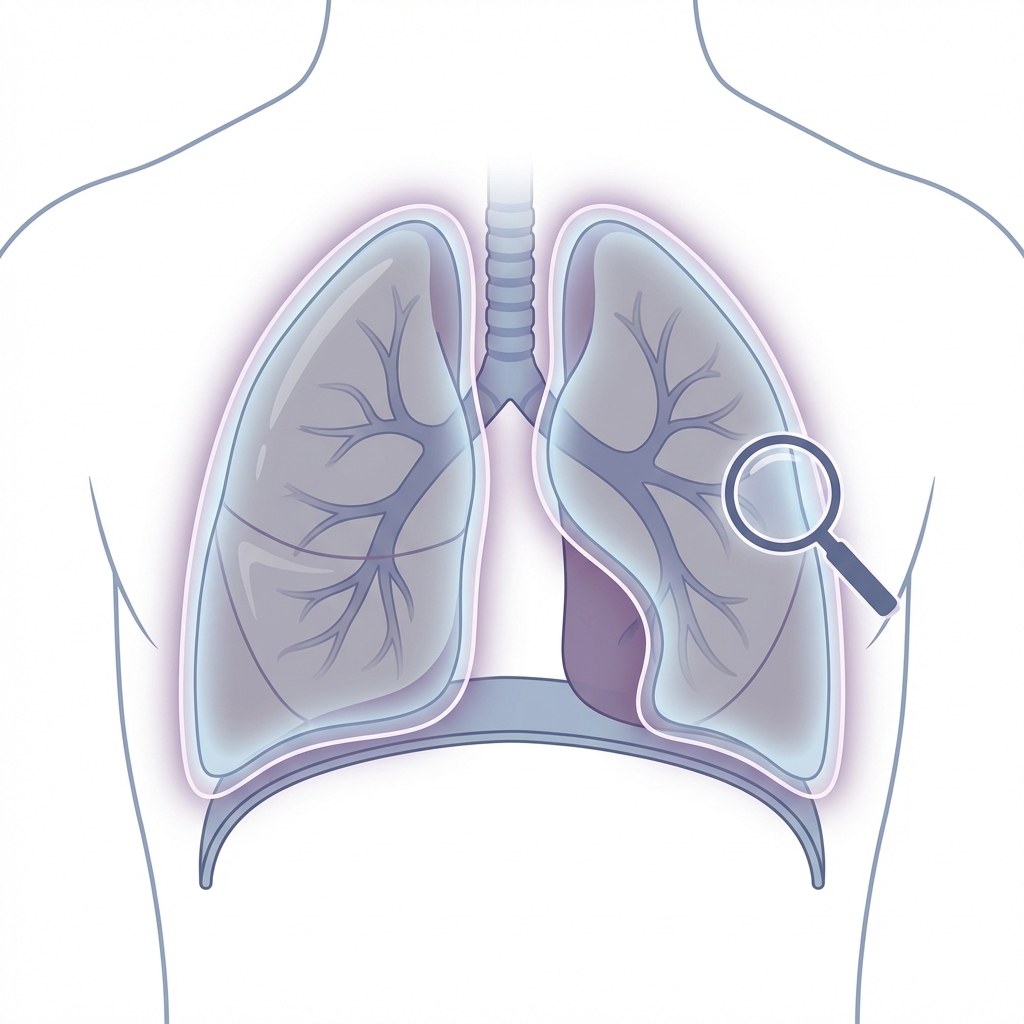
Asbestosis is a chronic lung disease caused by inhaling asbestos fibers. Prolonged exposure to these fibers can cause lung tissue scarring and shortness of breath. Think of it as your lungs slowly turning into scar tissue, making every breath a struggle.
Progressive and Irreversible
What makes asbestosis particularly devastating is its progressive nature. Once the damage to your lungs occurs, it is not reversible. The scarring continues to worsen over time, even after exposure to asbestos has stopped.
Decades-Long Latency
Workers who breathed in asbestos fibers decades ago are only now experiencing the consequences of that exposure. Symptoms typically don't appear until 10-40 years after initial exposure.
The Science Behind the Damage
Understanding how asbestos fibers cause irreversible lung damage helps explain why this disease is so devastating
When asbestos fibers are inhaled, they become lodged within your alveoli — the tiny sacs inside your lungs where oxygen is exchanged for carbon dioxide in your blood.
The sharp, straight microscopic fibers irritate and scar lung tissue. Their shape makes it difficult for the body to dislodge and expel them, causing ongoing inflammation.
This scarring process, known as fibrosis, progressively reduces your lung capacity and makes breathing increasingly difficult. The lungs become stiff and less efficient.
Understanding Asbestos: The Root Cause
Asbestos is a group of six natural mineral fibers known for their strength and fire-resistant properties
What Exactly is Asbestos?
Because of their unique qualities, the manufacturing and building industries used asbestos extensively throughout the 20th century. Asbestos fibers may be white, blue, brown, gray or green, with white asbestos fibers (chrysotile) being the most widely used worldwide.
Common Industrial Uses:

The Timeline of Exposure
Most people with asbestosis acquired it on the job before the federal government began regulating the use of asbestos and asbestos products in the 1970s. However, the effects of long-term exposure to asbestos typically don't show up until 10-40 years after initial exposure. This incredibly long latency period means that people exposed in the 1970s and 1980s are only now developing symptoms.
Who's at Risk? Understanding Occupational Exposure
The risk of asbestosis is generally related to the amount and duration of exposure to asbestos. Certain occupations faced particularly high exposure levels.
- Insulators and pipefitters
- Carpenters and electricians
- Roofers and drywall workers
- Demolition crews
- Shipyard workers
- Boilermakers and furnace workers
- Factory workers
- Auto brake mechanics
- Navy personnel (ships)
- Veterans in shipyards
- Military construction workers
- Equipment maintenance
- Mining and milling workers
- Maintenance workers
- Firefighters and first responders
- Power plant workers
Secondary Exposure: The Family Connection
One of the most heartbreaking aspects of asbestos exposure is secondary exposure. Secondhand exposure is possible for household members of exposed workers, as asbestos fibers may be carried home on clothing. Workers unknowingly brought these deadly fibers home on their clothes, skin, and hair, exposing their families to the same risks.
Recognizing the Warning Signs
The first symptom of asbestosis is having trouble breathing, especially when you're working hard or exercising. In most patients, symptoms develop within 20 to 30 years after asbestos exposure.
Many of these symptoms are also present with other lung conditions, which can complicate diagnosis.
As the disease advances, symptoms become more severe:
The Importance of Early Detection
Because symptoms often mimic other respiratory conditions, it's crucial to inform your doctor about any past asbestos exposure. Be prepared to provide:
Getting Diagnosed: What to Expect
Asbestosis is usually diagnosed by a careful medical history, exposure history and chest X-ray or CT scan that shows scarring of the lung tissues.
Your doctor will listen to your lungs with a stethoscope, checking for crackling sounds characteristic of asbestosis
Creates images showing lung scarring and pleural plaques
Provides detailed cross-sectional images to detect early-stage scarring
Measure lung capacity and breathing efficiency, including forced vital capacity (FVC) and forced expiratory volume (FEV1)
Checks oxygen and carbon dioxide levels in your blood
Detailed review of work history and potential asbestos exposure sources
Understanding Your Diagnosis
The severity of asbestosis depends on several factors:
Exposure Factors:
- •Duration and intensity of asbestos exposure
- •Time since exposure began (latency)
- •Type of asbestos fibers encountered
Health Factors:
- •Overall lung function and capacity
- •Presence of complications or co-morbidities
- •Individual health status and lifestyle habits
Treatment Options: Managing Life with Asbestosis
While there's no cure for asbestosis, various treatments can help manage symptoms and improve quality of life. Treatment focuses on slowing progression and preventing complications.
The Reality of Treatment
There's no treatment to reverse the effects of asbestos on the alveoli. However, the asbestosis treatment market has grown significantly as a result of developments in medical technology, greatly enhancing patient outcomes.
8.0% CAGR growth rate through technological advancements

Oxygen may be prescribed to help you get more air into your lungs. Particularly important for patients with hypoxemia (low blood oxygen levels).
Bronchodilators to open airways, mucolytics to thin mucus, pain relievers, and sometimes corticosteroids to reduce inflammation.
Educational and exercise components including breathing techniques, physical activity habits, and education to improve overall health.
Emerging treatments targeting specific fibrotic processes and advanced respiratory support technologies.
For severe cases: thoracentesis to drain fluid, pleurodesis to prevent buildup, and lung transplant as a last resort.
Smoking cessation, avoiding further exposure, staying healthy with vaccinations and proper nutrition.
Financial Assistance and Legal Options
If you've been diagnosed with asbestosis due to workplace exposure, substantial financial assistance is available. Companies that exposed workers knew about the dangers but often hid this information.
Tax-free monthly compensation for veterans
Coverage for medical expenses and lost wages
Compensation from bankrupt asbestos companies
Personal injury lawsuits against manufacturers
VA Benefits for Veterans with Asbestosis
Disability Ratings for Asbestosis:
Additional VA Benefits & Incentives:
- Free or low-cost medical care at top VA facilities
- Travel reimbursement for specialized treatment
- Aid and Attendance benefits for high-care needs
- Dependency and Indemnity Compensation (DIC) for families
The Global Impact and Future Outlook
Globally, asbestos exposure remains a critical public health issue affecting millions worldwide and requiring ongoing medical and legal attention.
People worldwide still exposed to asbestos at work
People die annually from asbestos-related diseases
Projected treatment market size by 2032
Prevention Remains Key
While medical treatment options continue to expand, prevention and safety remain the most vital tools in combating asbestosis:
Taking Action: Your Essential Next Steps
Whether you've been exposed, recently diagnosed, or are providing support for a loved one, here is your path forward.
- Consult a specialist pulmonologist immediately
- Meticulously document all work and exposure history
- Enroll in regular medical screening and monitoring
- Investigate all available legal and financial rights
- Strictly follow all established safety protocols
- Ensure proper fit and use of all assigned PPE
- Identify and report any unsafe workplace conditions
- Schedule baseline and periodic health screenings
- Thoroughly research asbestosis and its management
- Help organize and navigate complex treatment plans
- Assist with navigating benefit and compensation claims
- Maintain a strong network of emotional and social support
Hope and Resilience Despite the Diagnosis
While asbestosis is documented as a serious, progressive disease without a current medical cure, it is not an immediate death sentence. Many individuals lead fulfilling lives for many years through rigorous management and expert support.
According to medical statistics, the average life expectancy for an asbestosis patient is approximately 10 years after diagnosis, but this figure varies immensely based on individual factors and proactive care.
Critical Prognostic Factors:

Comprehensive Guide to Asbestos Conditions
Understanding the full spectrum of asbestos-related diseases is the first step toward recognition and effective treatment.
An incredibly rare and aggressive cancer affecting the protective lining of the lungs, abdomen, or heart.
Asbestos exposure multiplies the risk of developing lung cancer, particularly for those with a smoking history.
Non-cancerous but serious conditions affecting the pleura, including plaques, thickening, and effusion.
Knowledge is Your Strength — Take Action Today
Understanding asbestosis and its connection to past asbestos exposure is the first step toward taking control of your health and securing the vital support you deserve.