Asbestos Health Risks
Understanding the serious health conditions linked to asbestos exposure
The Silent Danger
Asbestos-related diseases have a long latency period, meaning symptoms may not appear for 20-50 years after initial exposure.
Initial exposure to asbestos fibers, often in workplace settings over months or years.
20-50 years of no symptoms while asbestos fibers cause cellular damage in the body.
Symptoms finally appear, often when the disease is already in advanced stages.
Asbestos-Related Diseases
Six primary diseases are directly linked to asbestos exposure, each with serious health implications
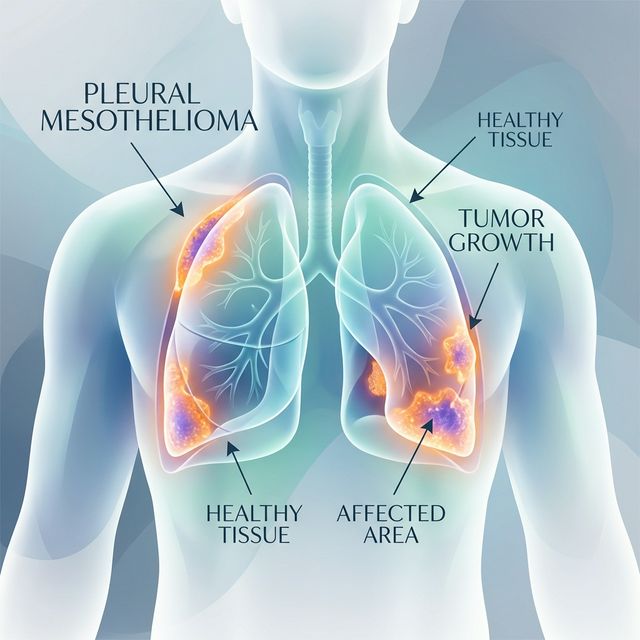
Mesothelioma
A rare and aggressive cancer that affects the lining of the lungs (pleural), abdomen (peritoneal), or heart (pericardial). Almost exclusively caused by asbestos exposure, this devastating disease develops when microscopic asbestos fibers become lodged in the mesothelium, causing inflammation and cellular damage over decades. Due to its aggressive nature and late-stage diagnosis, treatment options are limited and focus primarily on palliative care to improve quality of life.
- • Chest pain
- • Shortness of breath
- • Persistent cough
- • Fatigue
- • 20-50 years
- • Average: 35 years
Lung Cancer
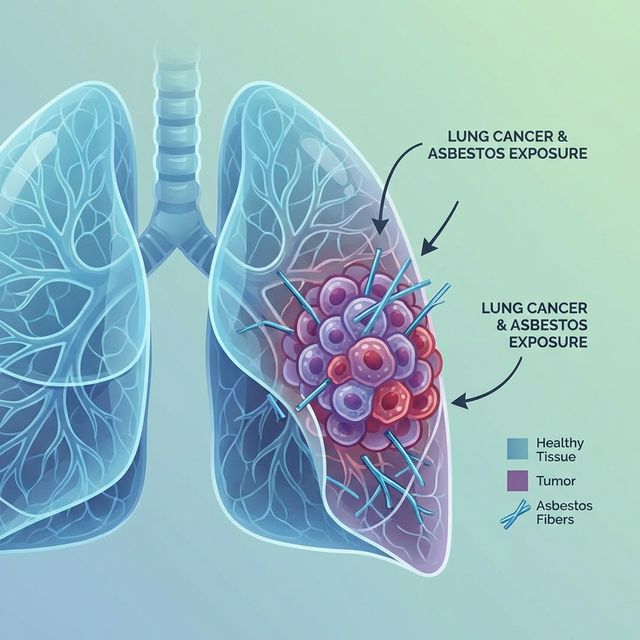
Asbestos exposure significantly increases the risk of lung cancer, especially when combined with smoking. When asbestos fibers are inhaled, they cause chronic inflammation and DNA damage to healthy cells, eventually leading to malignant tumor formation. The combination of asbestos exposure and smoking increases lung cancer risk by 50-90 times compared to non-exposed individuals.
- • Persistent cough
- • Chest pain
- • Weight loss
- • Breathing difficulties
- • Asbestos + smoking
- • Heavy exposure
Asbestosis
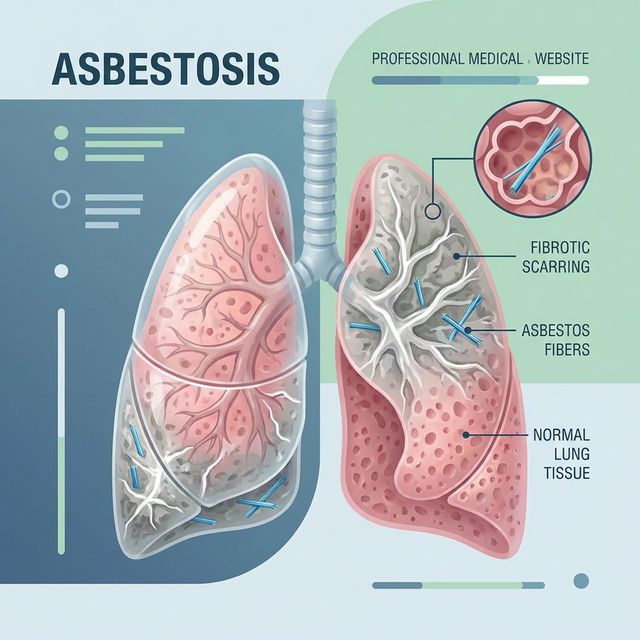
A chronic lung disease caused by scarring of lung tissue from asbestos fibers. These microscopic fibers trigger an inflammatory response, leading to progressive scarring (fibrosis) of lung tissue, reducing the lungs' ability to expand and contract effectively. The condition worsens gradually over decades, even after exposure has ended.
- • Shortness of breath
- • Dry cough
- • Chest tightness
- • Finger clubbing
- • Non-cancerous
- • Progressive scarring
- • No cure available
Pleural Diseases
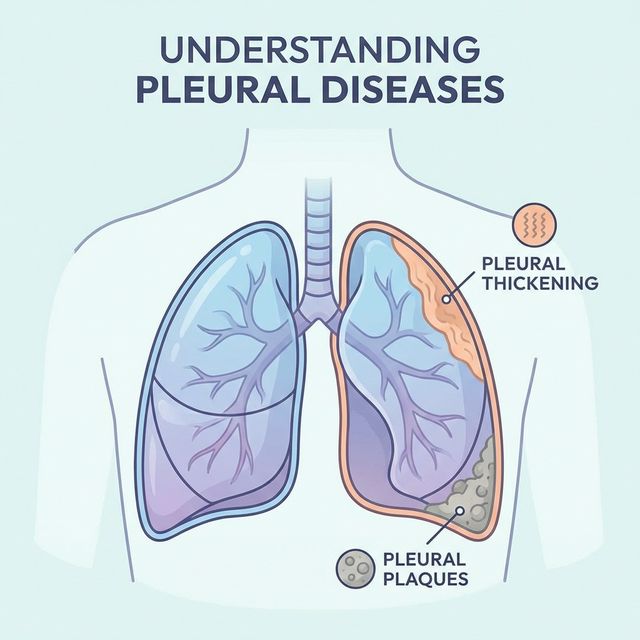
Non-cancerous conditions affecting the pleura, including pleural plaques, effusion, and thickening. These develop when asbestos fibers cause inflammation and scarring of the delicate membrane tissue. While not immediately life-threatening, they significantly impact breathing and quality of life.
- • Pleural Plaques: Benign calcified deposits
- • Pleural Effusion: Fluid buildup around lungs
- • Pleural Thickening: Scarring reducing lung capacity
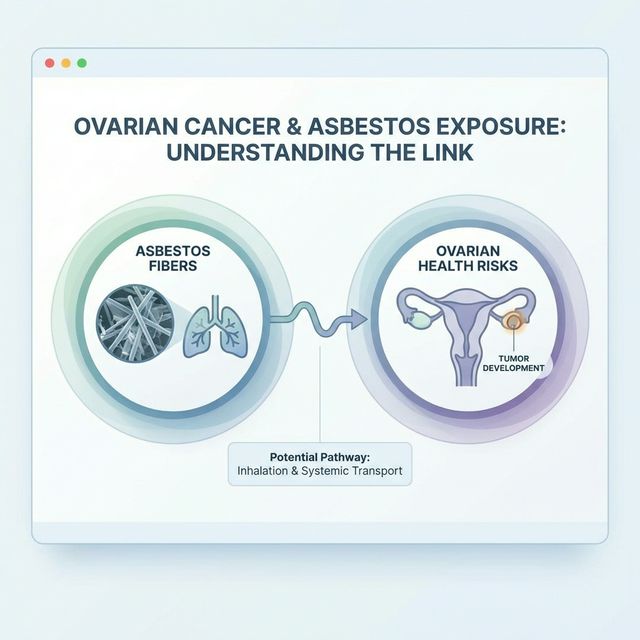
Ovarian Cancer
Asbestos fibers can reach the ovaries, causing chronic inflammation and cellular damage leading to malignant tumors. Women who worked in asbestos environments or lived with asbestos workers face increased risk, with a typical latency period of 20-40 years.
- • Abdominal bloating
- • Pelvic pain
- • Difficulty eating
- • Back pain
- • Workplace exposure
- • Secondary exposure
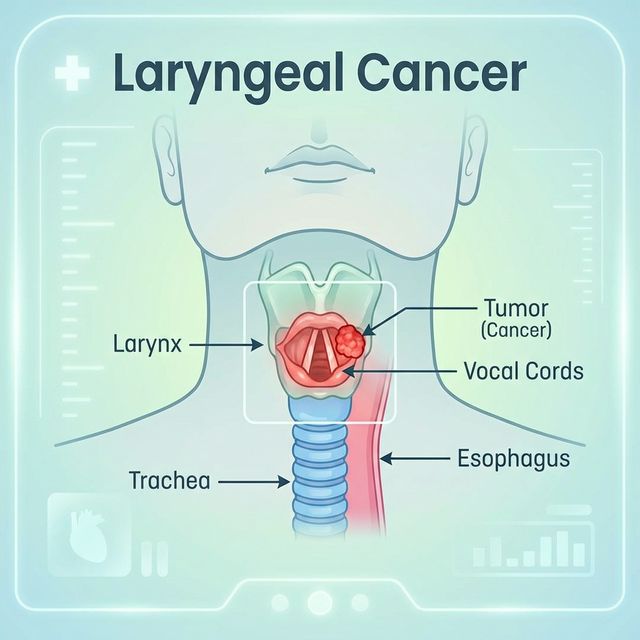
Laryngeal Cancer
Cancer of the larynx (voice box) is linked to asbestos inhalation, where toxic fibers settle in the throat area causing chronic irritation and cellular mutations. Especially high risk for those in construction and manufacturing.
- • Persistent hoarseness
- • Difficulty swallowing
- • Persistent cough
- • Asbestos + smoking
- • Heavy exposure
Risk Factors
Several factors influence the likelihood and severity of developing asbestos-related diseases
Longer exposure periods increase disease risk significantly
Higher concentrations of asbestos fibers pose greater danger
Some types are more dangerous than others
Age, smoking history, and genetics influence development
Importance of Medical Monitoring
If you have a history of asbestos exposure, regular medical monitoring is crucial for early detection of asbestos-related diseases.
Early detection can significantly improve treatment outcomes and quality of life, even though these diseases are serious.
Recommended Screenings:
- Annual chest X-rays
- CT scans when indicated
- Pulmonary function tests
- Regular physical examinations

Professional Medical Screening
Concerned About Your Health?
If you have a history of asbestos exposure, don't wait. Early medical attention and understanding your compensation rights are both important.
Free eligibility check • No obligation • Confidential discussion