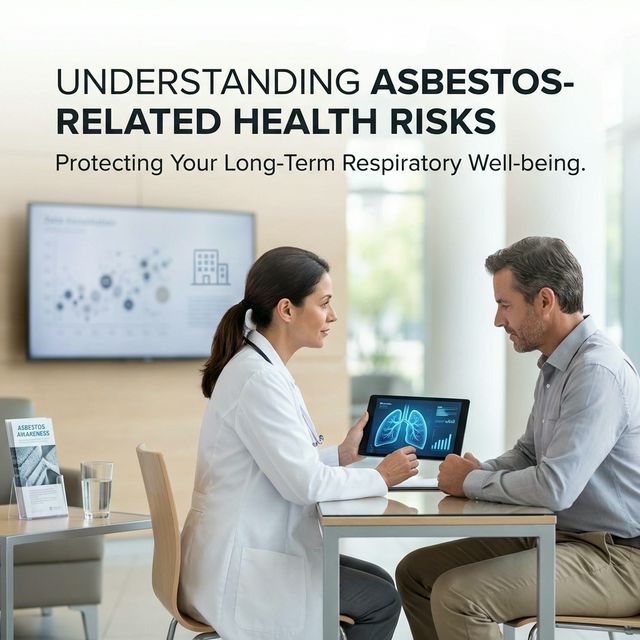
Asbestos-Related Lung Cancer
Lung cancer is the leading cause of asbestos-related deaths. If you have a history of asbestos exposure and have been diagnosed with lung cancer, substantial compensation and specialized care may be available.
The Connection Between Asbestos and Lung Cancer
For decades, it was common knowledge within the asbestos industry that their products caused lung cancer. Yet, they continued to sell and distribute these products without adequate warnings, leading to a global health crisis.
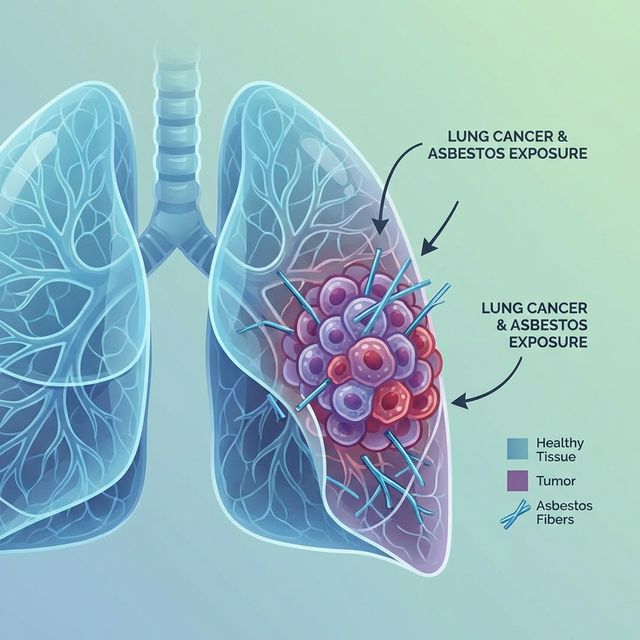
While many people associate asbestos only with mesothelioma, the number of lung cancer cases caused by asbestos exposure is significantly higher. In fact, research indicates that for every mesothelioma case, there are approximately two to six cases of asbestos-related lung cancer.
"Most people think all of their lung cancer is from smoking. They don't realize that asbestos exposure could have been the catalyst or a significant contributing factor."
The "Multiplier Effect"
Asbestos and smoking work together synergistically, dramatically increasing the risk of developing lung cancer far beyond the risk of either factor alone.
Increased risk from asbestos exposure alone compared to the general population.
Increased risk from smoking alone compared to the general population.
Combined risk for someone who both smokes and was exposed to asbestos.
*Even if you were a smoker, you may still be entitled to significant compensation if asbestos exposure contributed to your lung cancer diagnosis.
Types of Asbestos-Related Lung Cancer
Asbestos exposure can cause both main types of lung cancer. Understanding which type you have is crucial for determining the best treatment plan.
NSCLC accounts for about 85% of all lung cancer cases. It generally grows and spreads more slowly than small cell lung cancer.
Subtypes include:
- Adenocarcinoma:Most common type, often found in outer parts of lungs.
- Squamous Cell Carcinoma:Commonly develops in the center of the lungs near main airways.
- Large Cell Carcinoma:Can appear in any part of the lung and tends to grow rapidly.
SCLC makes up about 15% of lung cancer cases. It is highly aggressive and tends to spread (metastasize) more quickly to other parts of the body than NSCLC.
Note: SCLC is almost always associated with smoking, but asbestos exposure can still play a significant role in its development and the resulting compensation claims.
Latency and Symptoms
Lung cancer doesn't appear immediately after exposure. Understanding the timeline and early warning signs can save lives.
The Latency Period
The latency period for asbestos-related lung cancer typically ranges from 15 to 35+ years. This delayed onset is why many workers who were exposed in the 1970s and 80s are only now being diagnosed.
Warning Signs
- Persistent cough that doesn't go away
- Chest pain that worsens with deep breathing
- Shortness of breath (dyspnea)
- Coughing up blood or rust-colored phlegm
- Unexplained weight loss and loss of appetite
- Feeling tired or weak
- Recurrent infections like bronchitis or pneumonia
Navigating the Diagnosis Process
If your doctor suspects lung cancer, they will use a combination of tests to confirm the diagnosis and determine the stage of the disease.
- Chest X-rays
- CT Scans
- PET/CT Scans
- MRI
- Needle Biopsy
- Bronchoscopy
- Thoracentesis
- Mediastinoscopy
- EGFR mutations
- ALK rearrangements
- PD-L1 levels
- Other biomarkers
- Stage I-IV
- TNM System
- Limited Stage (SCLC)
- Extensive Stage (SCLC)
Modern Treatment: A New Era of Hope
Precision Targeted Therapy
Drugs designed to attack specific molecular changes within cancer cells, sparing healthy tissue.
Advanced Immunotherapy
Treatments that help your own immune system recognize and destroy lung cancer cells.
Minimally Invasive Surgery
Techniques like VATS and robotic surgery that offer faster recovery times and less pain.
High-Precision Radiation
SBRT and other precise techniques allow for higher doses to the tumor with fewer side effects.
Innovative Clinical Trials
Clinical trials are the front line of cancer research. They provide eligible patients with access to the absolute latest treatments before they are widely available to the public.
A Breakthrough Path
For many patients with advanced lung cancer, a clinical trial represents their best chance for remission. Ask your oncologist if you are a candidate for any active trials.
The Power of Multimodal Treatment
The most successful treatment plans often combine multiple approaches. Your oncology team might recommend surgery followed by chemotherapy, or immunotherapy combined with radiation. This comprehensive approach attacks cancer from multiple angles, improving outcomes.
Find Lung Cancer SpecialistsUnderstanding Your Prognosis: Hope Amid Challenge
While lung cancer remains a serious diagnosis, survival rates continue to improve with advancing treatments. It's important to remember that statistics are averages - many patients far exceed these numbers.
Key Factors Affecting Prognosis
Stage at diagnosis
Earlier is better
Overall health and age
Younger, healthier patients often have better outcomes
Type of lung cancer
Non-small cell vs. small cell
Response to treatment
Individual response varies significantly
Access to specialized care
Expert oncologists make a difference
Living with Lung Cancer
Modern supportive care has transformed the experience of living with lung cancer. From better pain management to nutritional support and psychological counseling, comprehensive care helps patients maintain quality of life throughout treatment.
Comprehensive Support Includes:
- Advanced pain management techniques
- Nutritional counseling and support
- Psychological and emotional counseling
- Physical therapy and rehabilitation
- Palliative care specialists
- Support groups and peer networks
Financial Support: You Don't Have to Face This Alone
A lung cancer diagnosis brings significant financial challenges. Treatment costs, lost wages, and travel expenses can quickly overwhelm families. However, substantial financial assistance is available for those affected by asbestos exposure.
Lung cancer compensation ranges
- Asbestos lawsuits hold manufacturers accountable
- Trust funds contain over $30 billion
- Many patients can file claims with multiple trusts
- Average settlements range significantly based on case details
Settlement Examples:
- • $1.6 Million to a California plumber with lung cancer
- • $1 Million for a master electrician in New York
- • $912,000 to a West Virginia patient with non-small cell lung cancer
Monthly tax-free compensation
- The disability rating for lung cancer is generally 100 percent
- Monthly compensation can exceed $3,800 tax-free
- Additional benefits for dependents
- Access to VA medical centers specializing in lung cancer
Various assistance programs
- Social Security Disability Insurance (SSDI)
- Medicare and Medicaid coverage
- State-specific assistance programs
- American Cancer Society programs
- Travel grants for treatment
- Co-payment assistance
The Financial Reality
Treatment costs, lost wages, and travel expenses can quickly overwhelm families. However, substantial financial assistance is available for those affected by asbestos exposure.
Taking Action: Your Next Steps
- Find an oncologist experienced with occupational cancers
- Get a second opinion from a major cancer center
- Ask about clinical trials and emerging treatments
- Ensure comprehensive molecular testing of your tumor
- Where you worked and when
- Types of asbestos products you handled
- Duration and frequency of exposure
- Coworkers who can verify your exposure
- Any protective equipment used (or not used)
- Contact an experienced asbestos attorney for a free case review
- File VA claims if you're a veteran
- Apply for disability benefits
- Research assistance programs in your area
- Join lung cancer support groups
- Connect with other asbestos exposure survivors
- Include family in treatment decisions
- Consider counseling for emotional support
A Global Health Crisis That Demands Action
The Worldwide Impact
Global deaths annually from occupational asbestos exposure
More than 70% of all deaths from work-related cancers. This staggering toll continues because many countries still permit asbestos use, and past exposures continue to cause new cases.
Globally, more than 200,000 deaths are estimated to be caused by occupational exposure to asbestos – more than 70% of all deaths from work-related cancers.
Recent Research and Trends
A new study by Sylvester Comprehensive Cancer Center researchers found tracheal, bronchial and lung cancer deaths traced to particulate matter air pollution have increased.
China and Indonesia are still experiencing rising tobacco-related cancer mortality and the global mortality rate among women increased by 2%.
*This highlights the complex interplay of environmental factors in lung cancer risk.
Hope for the Future
Advancing Treatment Landscape
The future of lung cancer treatment is bright, with researchers making breakthrough discoveries regularly. We have two clinical trials testing a therapeutic lung cancer vaccine after surgery to prevent recurrence of non-small cell lung cancer.
The approach is similar to a vaccine being tested in pancreatic cancer using messenger RNA (mRNA).
Prevention and Awareness
While we can't change past exposures, we can:
- Advocate for complete asbestos bans worldwide
- Support research for better treatments
- Raise awareness about the ongoing risks
- Ensure proper safety measures for current workers
Conclusion: Knowledge, Action, and Hope
If you're reading this because you or someone you love has lung cancer potentially linked to asbestos exposure, know that you're not alone. Thousands of families face this challenge, and substantial resources exist to help.
The connection between asbestos and lung cancer represents one of the greatest occupational health tragedies of the modern era. Companies that profited from asbestos knew the risks but chose profits over people's lives. Today, we have the knowledge, treatments, and legal remedies to fight back.
Take action today:
- See a specialist if you have symptoms
- Explore all treatment options, including clinical trials
- Pursue the financial compensation you deserve
- Connect with support resources
Your life has value beyond any statistic. With proper treatment, support, and determination, many lung cancer patients are living longer, fuller lives than ever before. The key is to act quickly, work with experienced professionals, and never lose hope.
Remember: every person who speaks up about asbestos-related lung cancer helps prevent future cases and pushes us closer to a world where no one suffers from this preventable disease.
Don't Wait - Get the Help You Deserve
Time is critical with lung cancer. Contact us today for a free, confidential consultation to understand your treatment options and legal rights.
Learn About Other Asbestos-Related Conditions
Explore comprehensive information about all asbestos-related health conditions and your legal rights.